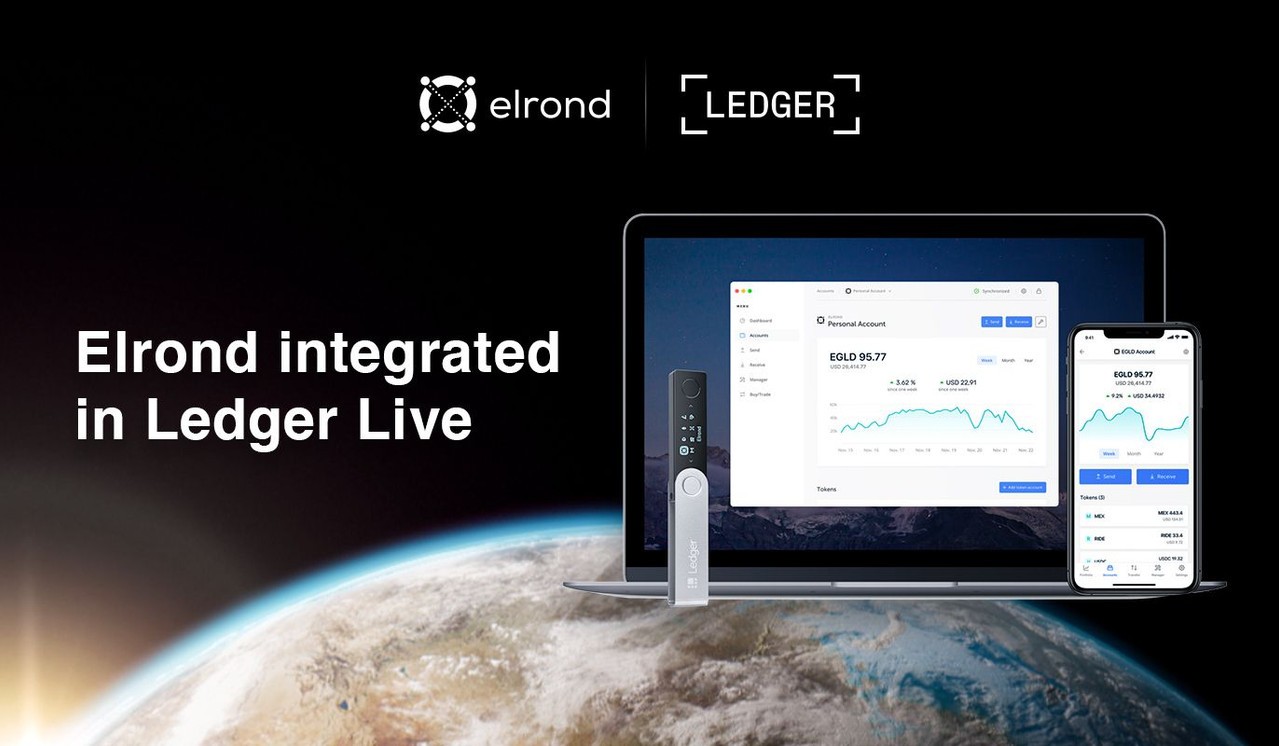
Ledger Live Login: A Formal and Complete Guide to Secure Crypto Access
The cryptocurrency landscape requires strong security foundations, especially as digital asset ownership becomes widespread across both individual and institutional users. Ledger Live Login plays a crucial role within this security framework. As the authentication gateway to the Ledger ecosystem, it enables users to access their portfolios, manage accounts, and authorize transactions—all while maintaining strict hardware-based protection.
This document provides a newly written, comprehensive overview of Ledger Live Login, its core function, its operational flow, its security mechanisms, and its practical uses. The goal is to provide clarity, accuracy, and a formal tone suitable for professionals, beginners, and enterprises seeking a reliable method to authenticate and manage digital assets securely.
1. Understanding Ledger Live Login
Ledger Live Login serves as the primary method by which users enter the Ledger Live software interface. Unlike conventional login methods—such as email and password authentication—Ledger Live Login uses a unique hardware-based verification system.
Access requires:
A Ledger hardware wallet
The associated PIN code
A secure connection to the Ledger Live application
This approach ensures that login approval depends entirely on physical device ownership, reducing the risk of unauthorized access commonly found in online account systems.
2. Purpose of Ledger Live Login
The Ledger Live Login process is designed with several critical objectives:
2.1 Secure Authentication
It validates user identity through a hardware-based verification model rather than relying on cloud-stored credentials.
2.2 Protected Wallet Access
Only the legitimate hardware wallet holder can initiate login and manage accounts.
2.3 Transaction Integrity
All transaction approvals require physical device confirmation, safeguarding users from fraudulent transfers.
2.4 Safe Portfolio Management
The login process opens the door to a professionally designed dashboard where users can review balances, track performance, and manage digital assets.
3. How Ledger Live Login Functions
The login process relies on a structured sequence involving both the Ledger Live application and the hardware wallet.
Step-by-Step Process
Open Ledger Live on your desktop or mobile device.
Connect your Ledger hardware wallet using USB or Bluetooth (depending on the model).
Enter the PIN code directly on the hardware wallet to unlock it.
Ledger Live automatically verifies the device through secure cryptographic communication.
Access to the Ledger Live dashboard is granted.
At no point does Ledger Live request a traditional password. The device itself serves as the sole authentication key.
4. Why Ledger Live Login Is More Secure Than Traditional Logins
Ledger replaces outdated password systems with a hardware-secured gateway. The benefits include:
4.1 No Password Storage
There is no central database containing user credentials. This eliminates risks from phishing, credential leaks, database breaches, and password reuse.
4.2 Private Keys Stay Offline
All sensitive cryptographic signing occurs inside the hardware device. The private keys never interact with Ledger Live or the internet.
4.3 Mandatory Physical Confirmation
Transactions and login verification require physical button presses on the device, eliminating remote takeover attempts.
4.4 Advanced Firmware & Secure Element Chips
Ledger devices use certified security chips designed to resist physical attacks and protect stored keys.
4.5 Encrypted Communication
All communication between Ledger Live and the hardware device is encrypted to prevent interception.
5. What Users Can Do After Ledger Live Login
Once authenticated, the Ledger Live interface provides access to a wide array of crypto management tools.
5.1 Portfolio Oversight
Real-time crypto balances
Market valuations
Asset distribution charts
Profit and loss metrics
5.2 Cryptocurrency Transactions
Sending and receiving transactions
Signing approvals on the hardware device
Reviewing transaction records
5.3 Account Management
Adding new blockchain accounts
Organizing multiple portfolios
Customizing labels and descriptions
5.4 Application & Device Configuration
Installing or removing blockchain apps on the hardware wallet
Updating firmware
Securing device settings
5.5 Buy, Sell & Swap
Access to integrated partners that facilitate:
Crypto purchases
Fiat cash-outs
Coin swaps
5.6 Market Insights
Live market charts, news integrations, and asset tracking tools.
6. Ledger Live Login on Desktop vs. Mobile
Desktop Access
Users can log in via Windows, macOS, or Linux by connecting their hardware device through the USB port.
Mobile Access
Ledger Nano X users can authenticate via Bluetooth on iOS and Android, enabling fully mobile portfolio management.
Both options maintain the same high security standards.
7. Troubleshooting Ledger Live Login Issues
7.1 Device Not Recognized
Possible causes and solutions:
USB cable issues → Use the original cable
Outdated firmware → Update via Ledger Live
Unresponsive application → Restart Ledger Live or device
7.2 Incorrect PIN Attempts
Repeated incorrect attempts will reset the device. Enter the correct PIN carefully.
7.3 Bluetooth Pairing Failure (Mobile)
Restart Bluetooth
Remove and re-pair the Nano X
Ensure the device is unlocked before pairing
7.4 Ledger Live Not Opening
Update the software
Clear cache
Reinstall if necessary
8. Security Practices Beyond Ledger Live Login
Although the login process itself is secure, users should maintain best practices:
Never share the recovery phrase under any circumstances.
Download Ledger Live only from the official Ledger website.
Avoid using public computers or unsecured networks.
Keep firmware and apps updated.
Always verify addresses and transaction amounts directly on the device screen.
Ledger’s design ensures that even if Ledger Live is compromised, private keys remain safe as long as the recovery phrase and device are secure.
9. Importance of Ledger Live Login in Crypto Security
Ledger Live Login is essential for maintaining:
User-controlled authentication
Hardware-verified security
Tamper-resistant access control
Strong protection against malware and phishing
Its architecture aligns with fundamental crypto principles, offering control, transparency, and resilience against cyber threats.
Conclusion
Ledger Live Login represents a sophisticated and secure authentication model designed for modern cryptocurrency users. By combining hardware-level protection with a streamlined interface, it ensures that access to digital assets remains completely under the user’s control. Private keys always remain offline, authentication requires physical presence, and all interactions are cryptographically secured.
For individuals seeking reliable and professional-grade security, Ledger Live Login stands as one of the most trusted solutions in the global digital asset environment.